You’ve probably heard the phrase “fashion over function” before. Contrary to the fairy tales many of us grew up reading as children, we live in a society where appearance can have an enormous influence on perceived value, and nowhere is this more apparent than in consumer purchasing decisions.
There are plenty of products whose popularity is influenced by something beyond pure functionality, efficacy, convenience, or durability. Examples readily come to mind: famously uncomfortable designer shoes, luxury watches purchased as much for status as timekeeping, and decorative candles that some owners hesitate to burn.
If these products weren’t recognizable or visually distinctive, would consumers view them the same way? Probably not.
Part of their value lies in branding: the identity, image, and reputation a company builds with its customers. And packaging can play an important role in creating that identity. Design, color, typography, materials, shape and presentation all help communicate what a brand represents before a consumer ever experiences the product itself.
This became especially apparent to me during a visit to the Dior museum in Paris this past March.
The dresses on display were fitted to mannequin torsos. Hats could be viewed from nearly every angle. But the perfumes were displayed behind glass, preventing museum visitors from experiencing the characteristic most commonly associated with perfume: its scent.
At first, that seemed strange.
But perhaps it says something important about packaging.
A bottle of perfume is not simply a container for fragrance. Its shape, materials, label, color and presentation are part of the product experience. Long before someone smells the fragrance, the package has already communicated luxury, personality and value.
Food brands face a surprisingly similar challenge.
The Retail Shelf Is a Runway
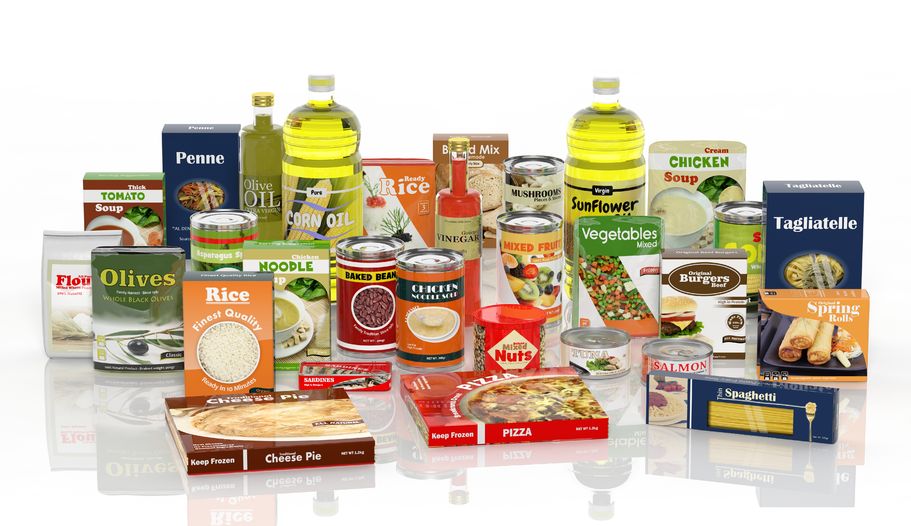
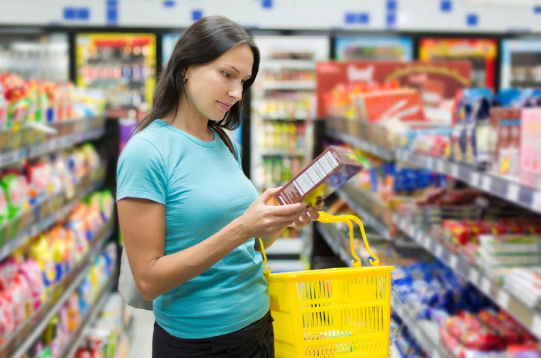
Walk through a grocery store and you’ll find hundreds of products competing for attention.
Consumers usually cannot taste a snack, prepare a powdered beverage or sample a packaged food before purchasing it. In many cases, their first experience with the product is visual.
The package has to make the introduction.
Much like clothing on a runway communicates a designer’s identity before anyone examines the stitching, packaging can tell shoppers what kind of product they are looking at before they ever open it.
Is it premium or value-oriented? Traditional or modern? Convenient or complicated? Designed for families, health-conscious consumers or shoppers looking for something new?
Impressions can be formed in seconds.
That does not mean packaging can replace product quality. A great package cannot make a poor product successful indefinitely. But even an exceptional food product has to be noticed, understood and selected before its quality has an opportunity to create a repeat customer.
That is why retail packaging has to accomplish more than simply containing a product.
It has to help sell it.
Packaging Has a Job to Do
Effective food retail packaging must balance appearance with performance.
It needs to present the brand clearly on the shelf while also protecting the product, supporting food-safety requirements and working efficiently throughout production, shipping and retail display.
Depending on the product, that could mean choosing the right bottle, pouch, carton, canister or other packaging format. It could mean developing a package that is easier to merchandise, simplifying how multiple components are assembled, or creating a format that gives the brand more visual impact at retail.
And unlike fashion, where an impractical design can sometimes become part of the appeal, food packaging still has very practical responsibilities.
The package has to perform.
That combination, presentation and performance, is where thoughtful packaging becomes valuable.
Dressing a Product for the Shelf
At Combined Technologies, Inc., we work with brands to turn food products into retail-ready packaged products.
That means looking beyond the container itself and considering how a product needs to appear, function and move through the packaging process before it reaches the shelf.
From filling and pouching to cartoning, kitting and retail display packaging, the goal is to develop a packaging program that supports both the product and the way it will ultimately be presented to consumers.
Package is not an afterthought.
For many shoppers, it is the first part of the product they ever experience. Fashion designers understand that presentation shapes perception. Food brands should understand the same principle.
You can develop an excellent product. You can perfect the recipe, ingredients and manufacturing process. You can build a compelling brand story.
But when that product reaches a crowded retail shelf, it still has to get noticed.
Think of packaging as what your product wears when it meets the customer for the first time.
Make sure it is dressed for the occasion.